A practical guide for training your front-of-house team on every phone interaction — from the first greeting to the toughest complaint — so every call is seamless, professional, and impactful.

Imagine this: a potential guest calls your restaurant during a busy Friday night dinner service. The phone rings endlessly before a frazzled staff member finally answers, sounding rushed and unprepared. The guest is left feeling undervalued and decides to dine elsewhere.
Contrast this with a well-trained staff member who answers promptly, speaks warmly, and provides clear and helpful information—even during peak hours. The guest feels welcomed and confident in their choice to dine at your establishment.
Running a successful full-service restaurant hinges on one critical component: creating exceptional guest experiences. From the moment a guest calls to make a reservation or inquire about your menu, that first impression matters.
This is where the importance of well-trained front-of-house staff comes into play. Phone etiquette might seem like a small detail, but it plays a big role in the overall guest experience. A well-handled phone call can be the difference between a satisfied guest and a lost opportunity.
According to one survey, 58% of consumers say they'll spend more money to do business with a company that delivers great service. That great service starts with how restaurants manage phone calls.

You can use this comprehensive resource to effectively train your front-of-house staff on how to handle phone interactions. By establishing clear standards and practices, you can make sure every phone interaction is seamless, professional, and, most importantly, impactful.
As James Cash Penney, the founder of the retailer J.C. Penney once said, “Courteous treatment will make a customer a walking advertisement.”
If you want to do just that, this guide is for you.
Running a full-service restaurant requires more than just serving excellent food; it demands impeccable guest service from start to finish.
One integral yet often overlooked aspect of service is how your front-of-house staff answers the phone. In a world where a single negative phone interaction can lead to a poor online review or lost business, it's essential to set the bar high for phone etiquette and efficiency.
Imagine a scenario where a potential guest calls to make a reservation or inquire about menu options, only to be met with a rushed, uninformed, or impolite response. Not only does this create a poor first impression, but it also sets the tone for their entire dining experience. Or worse—sends them to a competitor.
Proper phone training isn't just about teaching them the technical aspects of how and when to pick up the phone (though that, too, is important). It's about creating a seamless, positive interaction that aligns with the high standards you've already set for your restaurant.
The first goal of phone training for your staff is to establish clear training objectives from the get-go. These should encompass both the practical and experiential aspects of phone interactions. Here's what your training should cover (and how it can benefit your establishment):
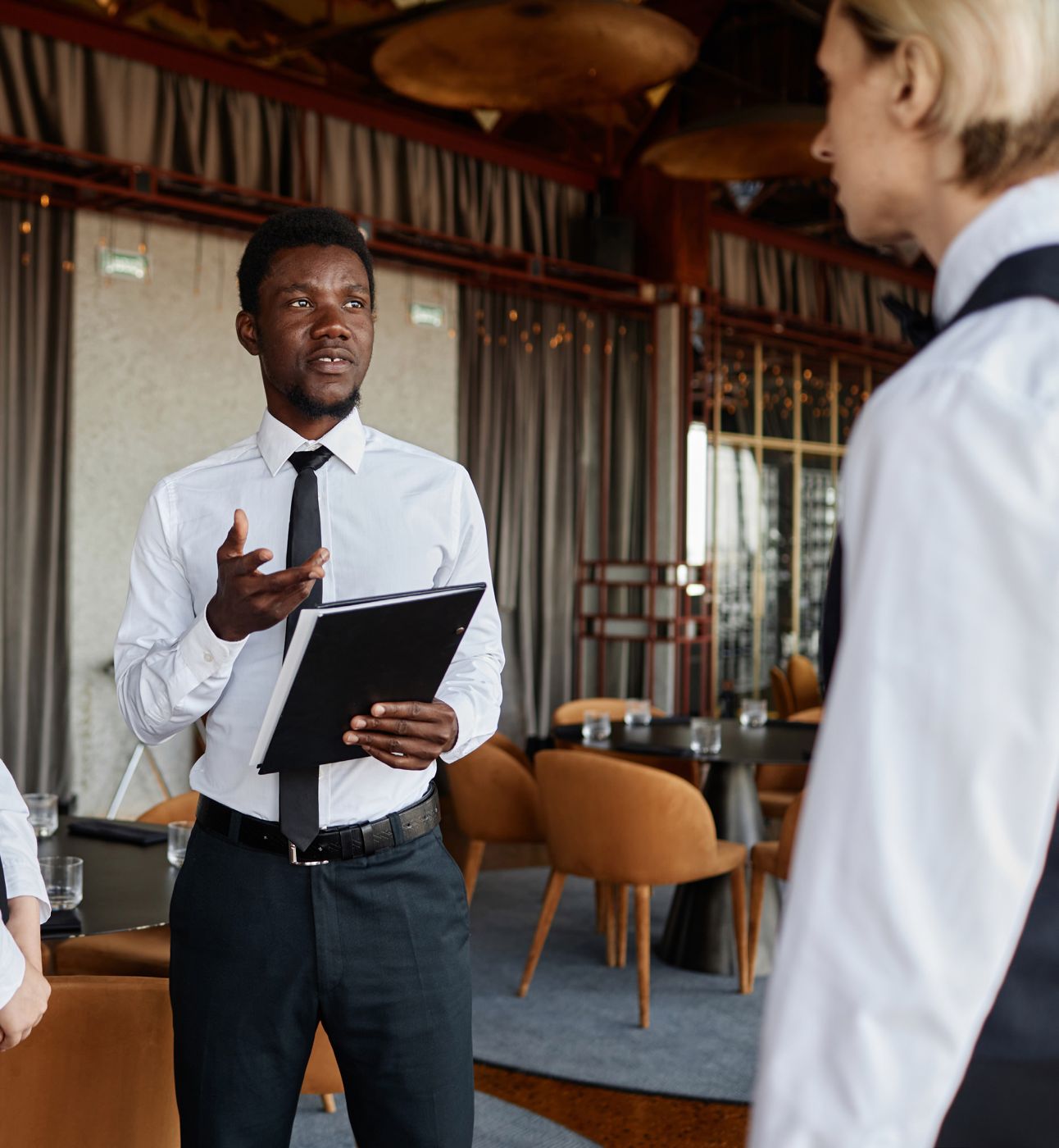
A consistent greeting sets the tone for the conversation and reflects the professionalism of your establishment. Think of it as the verbal equivalent of a warm handshake or a welcoming smile.
When guests hear the same cheerful and courteous greeting every time they call, it reinforces your restaurant's reliability and quality. It's a small (but powerful) way to make a positive first impression.
Ideally, your front-of-house staff needs to be knowledgeable ambassadors of your brand. When a guest calls with a question—whether it's about dietary options, parking availability, or specifics about your restaurant's policies—your staff's ability to provide accurate, prompt answers can make an immense difference.
The right training ensures they have the information they need at their fingertips, not only improving the guest experience but also boosting the confidence and competence of your team members.
Another key aspect of a quality phone training program is that it can help improve reservation rates at your restaurant.
Even though mobile reservation systems and contactless ordering are likely here to stay, most guests would still prefer talking to an actual person on the phone when it comes to customer service inquiries, like making a reservation.
Plus, when guests experience a smooth, hassle-free reservation process, they're more likely to follow through with their plans. Training your staff enables them to efficiently manage reservations, optimize table turnover, and ensure a steady flow of guests.
The biggest—and perhaps most obvious—benefit of a quality phone training program is that it can really optimize the guest experience. These phone interactions can turn first-time callers into loyal patrons when handled well.
Every touchpoint matters. A well-trained staff can use phone calls as an opportunity to build rapport, address concerns, and set the stage for an out-of-this-world dining experience.
When employees feel competent and supported in their roles, they're more likely to remain engaged and committed to your restaurant. They know the goals, they know the rules, and they know what it takes to be successful.
Employee retention is a common challenge in the restaurant industry. Providing adequate training can go a long way to reduce turnover and foster a positive work environment where everyone strives to deliver their absolute best.
Handling incoming calls in a bustling restaurant environment is no small task. However, having straightforward standards for phone etiquette and establishing strong protocols can guarantee consistency, professionalism, and a positive guest experience. Clear expectations ultimately make their lives easier and enhance their overall efficiency.

The way your staff greets callers sets the tone for the entire conversation. A standard greeting script makes sure your team presents a unified front, making your restaurant seem more professional and welcoming.
It's your brand, so you have total control over scripting your greeting. But at the most basic level, your staff should always start the call with a warm greeting, state the name of the restaurant, and ask how they can assist the caller. This simple structure guides the conversation and makes guests feel valued.
During peak hours, juggling phone calls and in-person guests can be daunting. The ability to prioritize tasks becomes vital to maintaining service quality on the phone and in the restaurant.
Designate specific team members to handle calls during busy service. This establishes ownership and responsibility to ensure calls get answered so the rest of your staff can focus on in-person service. This division of labor ensures neither phone nor in-house guests are neglected.
Implementing a triage system can be particularly helpful here. For example, you can train your team to return calls during lulls in service or use a call-back feature if available.
Training staff to politely inform phone guests about potential wait times can help manage their expectations and quell frustrations. A simple, “Thank you for holding. We are currently assisting other guests and will be with you shortly” can go a long way in keeping guests informed and patient.
When it's particularly busy, placing callers on hold is necessary. However, it needs to be done correctly to make sure guests feel respected, prioritized, and acknowledged. Ask permission before placing someone on hold and provide an estimated wait time.
No one likes to wait on hold, but doing so is unavoidable during a busy service. If at all possible, try to keep them on hold for less than one minute. If a caller needs to stay on hold longer than that due to circumstances, they should be offered a callback.
This approach shows that you respect the guest's time and can help reduce frustration.
Let's also remember that front-of-house staff have to keep an eye on any guests that walk in. Balancing the needs of in-person guests and phone callers requires a certain finesse. If a team member is on a call and a guest approaches, train them to acknowledge the guest with a smile and a nod to indicate they'll be with them shortly.
Then, the team member should inform the caller that there's an in-person guest and provide options, such as:
Acknowledging the in-house guest to the caller might seem counterintuitive, but it really provides a level of transparency that most guests will appreciate. This strategy can take some time to master, but it's highly effective in making sure both parties feel respected and seen.
Some restaurants choose to record calls for quality assurance. If you do this, make sure your staff is instructed to inform callers at the beginning of the conversation (or include an automated message). This transparency will build trust and show respect for your guests' privacy.
It's crucial to always pause the recording when sharing sensitive information, such as credit card numbers. A statement like, “For your security, I will pause the recording while taking your payment details,” reassures guests that their information is handled responsibly.
While most of your training efforts will be focused on the challenging aspects of customer service, like how to address problematic situations or disgruntled guests, you also need to make sure your team is trained on the logistics, like transferring calls, muting, and unmuting.
This can prevent mishaps—like accidentally hanging up on a guest—and ensure smooth communication. Role-playing sessions and practice drills can be particularly helpful here. For example, you can have staff practice transferring calls or using the mute button so it feels like second nature.
Communication is the backbone of any successful restaurant operation. When staff can effectively communicate with guests, it leads to smoother service, fewer misunderstandings, and happier guests.
First impressions matter, and often, the first interaction a guest has with your restaurant is over the phone. A clear and pleasant voice sets the tone for the entire experience.
The Oxford Dictionary defines hospitality as, “friendly and generous behavior towards guests.” Guests don't just like front-of-house staff with good communication skills; they expect it. Great hospitality is key, and making sure your front-of-house staff are well-trained in phone etiquette can prevent common issues.
Effective communication also promotes a sense of trust and professionalism. When guests feel heard and understood, they are more likely to return and recommend your restaurant to others. This not only boosts your reputation but also drives repeat business, which is essential for long-term success.

Did you know that guests can “hear” your smile over the phone? Smiling while speaking can transform your tone of voice, making it sound warmer and more inviting. It's a simple yet powerful technique that can make a significant difference in how guests perceive your restaurant.
Smiling while speaking helps convey friendliness and approachability, creating a positive impression even before the guest steps foot in your restaurant and establishing an invitation to connect.
This can be especially important when handling complaints or difficult situations, as a friendly demeanor can help diffuse tension and show the guest that you genuinely care about their experience.
Positive language and a professional tone are equally essential aspects of phone etiquette. Encourage your staff to use positive language, especially when delivering less-than-ideal news.
In a busy restaurant, time is of the essence. Training your staff to communicate concisely can help streamline operations and also make sure that guests receive the information they need as quickly and efficiently as possible.
Encourage your staff to listen actively and address guest needs without unnecessary elaboration. This can be achieved by asking clarifying questions and summarizing the guest's request to ensure understanding.
For example, “Could you please confirm the number of guests for your reservation?” is a straightforward and polite way to gather essential information without wasting time.
Similarly, providing clear and concise information about your restaurant's policies, menu offerings, and availability can also help manage guest expectations and reduce the likelihood of misunderstandings.
Encourage your staff to remove the word “unfortunately” from their vocabulary when conversing with guests.
The circumstances are what they are. The problem is that this everyday word typically precedes lousy news. People know this, and when they hear it, they tense up. Instead, try to present the circumstances as they are while also offering up a solution.
Active listening should be the top priority when it comes to understanding a caller's concerns. However, less than 2% of the world's population has received any kind of formal education about listening effectively, which some deem a “crisis in listening.”
This means fully concentrating, understanding, responding, and retaining the caller's words. You can assess a potential new hire's listening skills during interviews by asking them to repeat back information or solve a hypothetical guest problem based on the details you've provided.
For instance, you could ask, “How would you handle a situation where a guest calls to complain about a long waiting time?” Pay attention to how they reflect on the problem and propose a solution. Good listeners often paraphrase the issue to ensure they understand it correctly before offering a resolution.
The stress of a challenging interaction can make it difficult for even seasoned staff to remember what they're supposed to do or say. Quick, easy-to-access reference materials can help them provide accurate, prompt answers in a pinch.
This might include an FAQ sheet or a troubleshooting manual. Whatever the case may be, having these materials at hand will mean your staff can confidently handle a variety of queries without having to escalate every issue.
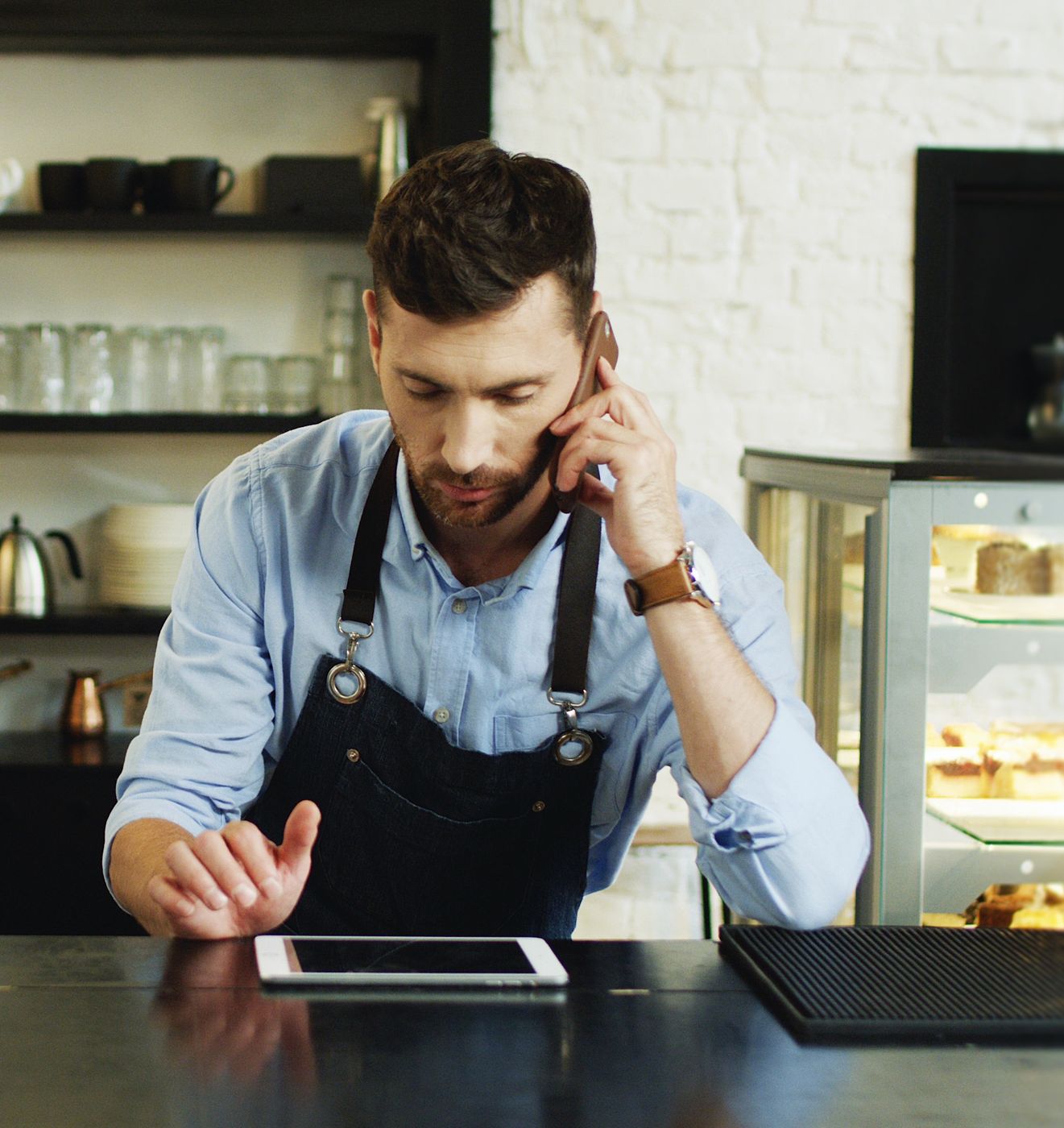
De-escalation is another essential element of handling difficult situations, and it's something your staff needs to be trained in as well.
Teach them to remain calm and composed, even if the caller is not. Instruct them to speak in a measured tone and use phrases like, “I understand how frustrating this must be,” to convey empathy. This can help defuse tension and make the caller feel heard.
Not all issues can be resolved at the front line. Train your staff to recognize when a call needs to be escalated to a manager or someone else with the authority to provide a positive outcome for the caller. Clear guidelines on what constitutes an “escalatable” issue can save time and prevent further guest dissatisfaction.
Always train your staff to approach challenging calls with curiosity rather than defensiveness. Instruct them to ask questions to understand the root cause of the issue.
For example, if a guest complains about a meal, your staff should ask specific questions like, “Can you tell me more about what was wrong with your dish?” This not only shows they care but can also provide insights into potential improvements. Every interaction should be treated as an opportunity to grow—not to become defensive.
To this extent, remembering these three steps can be incredibly helpful.
Recognize the issue and validate the guest's feelings.
“I understand that this situation has been frustrating.”
Offer a sincere apology.
“I'm truly sorry for the inconvenience this has caused.”
Take immediate action to resolve the issue.
“Let's get this fixed for you right away.”
Acknowledge the inconvenience, apologize, and offer a solution such as booking a new reservation, prioritizing their seating, and providing a complimentary appetizer on their next visit.
Acknowledge the guest's frustrations, apologize, and meet their needs as quickly as possible. Offer an explanation for the unavailability, but do not dwell on those circumstances to assure you hear their frustrations.
Apologize for their experience, ask for specific feedback, and offer to replace the dish or provide a discount on their next visit.
Running a successful restaurant isn't just about answering phones, however. It's an interconnected web of tasks that requires your team to count on each other during busy periods, so let's keep a few considerations in mind.
As you likely know, everything is connected in a hectic restaurant setting. When everyone works together seamlessly, it creates an atmosphere where guests feel well-cared for.
To that end, effective communication is key. Instruct your staff to let the rest of the team know when they're handling phone duties so they can cover other tasks. This can help manage the flow of service.
When things are slow, downtime offers an excellent opportunity to tackle side work without compromising guest satisfaction. For example, your staff can clean and organize the host stand, or update reservation systems when it isn't busy. This multitasking can prepare the team for busier times and keep the restaurant running smoothly.
Regardless of how busy it is, your team should be keeping an eye on the front door at all times, even when answering calls. Waiting guests should be acknowledged with a smile or nod. This simple gesture shows they're valued and will be attended to shortly.

Imbue in your team a strong understanding of the menu. Allow them to taste dishes when possible and explain the differences between similar offerings. That way, they can not only answer questions about the dishes that are on the menu but will also be able to describe dishes convincingly and recommend options based on guests' preferences.
Similarly, front-of-house staff should get thorough training on how your chosen reservation management platform works. They should be taught to double-check entries for accuracy and given a thorough work-up of your restaurant's reservation policies, from cancellations to seating arrangements and other special requests.
Again, this is where reference materials can be a huge lifesaver. For every question your front-of-house staff receives on a given day, there's a good chance that most of these will be repeated questions. Include information on the sheets about popular menu items, operating hours, special events, reservation policies, and anything else you think would be handy to have close by.

Reading guests' body language is a valuable skill that your front-of-house staff should have. It allows them to anticipate needs and provide exceptional service in response.
Although strengthening observational skills can be challenging to teach, do your best to educate your team on how cues like facial expressions, posture, and gestures can say a lot about how a guest feels and what they need.
For example, if a guest is spotted looking around the room frequently, or perhaps tapping their feet as they do so, it could indicate they need assistance.
Observation goes beyond body language; your team needs to be instructed to monitor what's going on in the rest of the restaurant. They should be watching drink levels, empty plates, napkin supplies, and so on. Your front-of-house staff's ability to address these needs without being intrusive will make guests feel valued.

Now that you know what your training needs to include, it's time to cover best practices. It's not just about answering a call but creating a lasting impression—and these training tips will help you teach your team to do just that.
First, you need to set some objectives.
What do you want them to achieve with each phone call? Clarity is vital, whether it's securing a reservation or addressing a guest's query. Have a few notes written down about what you want to accomplish in each training session with your team (or as part of a larger, more comprehensive training strategy).
As you set those goals (or ideally before), it might be helpful to assess your team's current skills and identify any knowledge gaps. These could range from not understanding all the menu items to struggling with handling complaints. Pinpointing these areas ahead of time will allow you to create a more targeted training program and ensure that no stone is left unturned.
Another tip that can make training sessions more effective is to personalize them. Don't just plop your team members down in front of a television and ask them to watch pre-recorded videos from the 1970s about how to handle phone calls. Instead, make each training session a customized ordeal.
One-on-one interactions and targeted interventions will allow you to tailor training to an individual's unique needs, making it easier to address specific weaknesses and build on strengths.
Shadowing is an excellent way for new staff to learn the ropes while also reducing some of their workload. This is especially true when you start prioritizing one-on-one training. Pair your new team members with more experienced ones so they can observe how to handle calls effectively (and help build their confidence in the meantime, too).
Throughout this entire process, give feedback as frequently as possible—both positive and negative. Be constructive, focusing on what was done well and what can be improved. One way to do this is to ensure all suggestions are actionable. For example, don't focus solely on their challenges, but rather provide specific details about how the team member could improve on their performance in the future.
Additionally, consider making the entire process as iterative and interactive as possible. Some restaurants do this by creating some sort of employee rewards program to have a formal method of recognizing those who excel in phone etiquette and guest interaction. Recognition is a key aspect that can boost morale, set reasonable benchmarks for others, and keep your best workers motivated.
Lastly, you can also explore training sessions with staff that include role-playing scenarios. Having employees play out fictional scenarios helps them understand new ways to address common issues and strengthen their de-escalation skills.
Most importantly, give your team time for practice and self-reflection. Encourage them to listen to their own calls and identify areas for improvement. A little bit of self-awareness fosters a culture of growth.
Speaking of growth, make sure your training is refreshed often. Regular refreshers will keep everyone's skills sharp and make sure the team is updated with changes or new protocols.
Generative AI, like ChatGPT and Google Gemini, can be great tools for coming up with fresh role-play scenarios and getting their problem-solving creativity flowing.
Many restaurants are so busy that staff have to choose between answering phones and tending to in-house guests. Even with the best training and robust protocols, some calls will still fall through the cracks because in-house guests are always the top priority. It's a bit of a catch-22 because there's no telling how many calls in a day represent real revenue opportunities.
We've addressed why good phone interactions and proper staff training for managing calls are so crucial. But there's a good chance that the host stand doesn't just take calls all day. They have so many vital tasks throughout their shift, meaning they're likely stretched thin as it is.
Instead of pulling your staff in two directions, many restaurants are discovering how voice AI phone answering can be an excellent solution. Acting as an extension of your concept's brand and a member of your team, a voice AI phone concierge like Slang AI can help alleviate some of the burdens and stress off your staff.
With voice AI answering, operators utilize this technology to capture more revenue, increase staff productivity, and create consistent, memorable guest experiences. Let's examine a few ways how.
Most calls revolve around common inquiries such as operating hours, policies, or questions about the menu. Just think of how much time hosts and hostesses spend throughout the course of a single day answering these calls. Now consider how redirecting that energy to high-value tasks can add up over time.
Another common reason guests call is to book reservations over the phone. In fact, roughly 63% of guests prefer the phone as the primary channel to make a reservation. With voice AI, you can capture more reservations—even when your staff has their hands full.
Let's assume that your staff successfully answers every call and in-house guests feel they're getting the attention they deserve. Even in a perfect scenario, some calls still get missed and sent to voicemail. Consider calls that happen:
Slang AI has 24/7 availability coverage, meaning your guests will get the answers they need on their own time. And when several guest calls come in simultaneously, Slang AI can handle them as usual.

The Genuine Hospitality Group booked more than 1,200 reservations in their first 90 days with Slang AI.
Read the case study to learn moreMastering phone etiquette is essential for the success of your restaurant. By following these best practices, you can ensure your team is well-equipped to handle phone interactions with professionalism and grace.
The next part is up to you, so take what you've learned here to make every call count. By creating a comprehensive, compelling training program that teaches your front-of-house staff to manage incoming calls effectively, you'll help them be more productive while also creating a world-class guest experience. But if your staff has enough on their plate currently, it may be time to explore technology that can take off some of that pressure.
Slang AI is an excellent example of one of these tools. As the #1 voice platform built for restaurants, you can streamline your operations and increase revenue by creating opportunities for personalized interactions and a smooth booking experience.
Slang AI is an AI voice tool built for restaurants to automate the booking process, streamline reservations, and improve customer experiences.
Ready to learn how you can create better experiences and empower your staff to focus on in-house guests? Sign up for a 10-minute call today to see how it works.